

In the dynamic landscape of the packaging industry, High - Density Polyethylene (HDPE) bags have emerged as a popular choice due to their durability, strength, and versatility. As a leading supplier of HDPE bag making machines, I often receive inquiries about the machine's capability to produce multi - layer HDPE bags. This blog post aims to delve into this topic comprehensively, exploring the technical aspects, benefits, and practical considerations of using an HDPE bag making machine for multi - layer bag production.
Technical Feasibility
The fundamental question is whether an HDPE bag making machine can actually produce multi - layer HDPE bags. The answer is yes, but it depends on the specific design and configuration of the machine. Modern HDPE bag making machines are engineered with advanced technology that allows for the production of multi - layer bags.

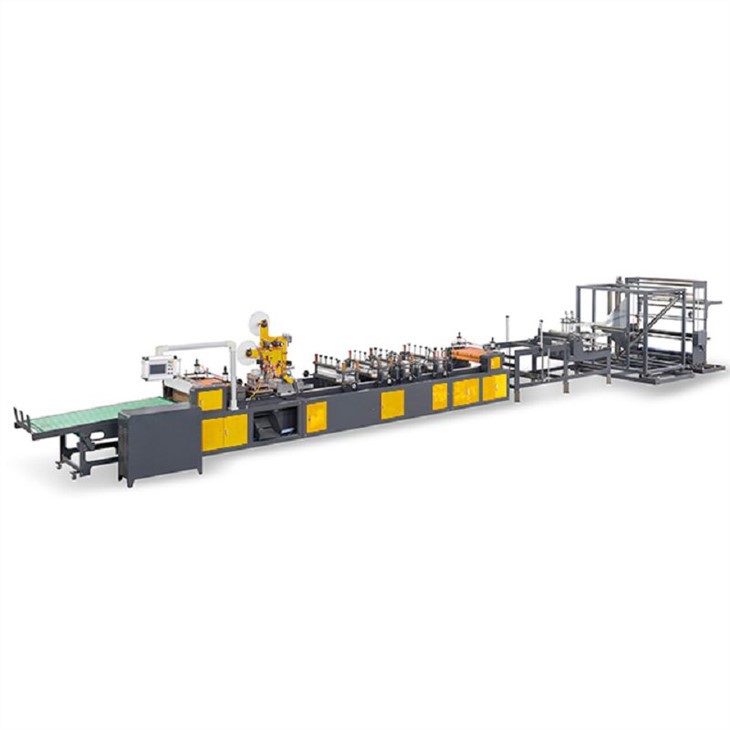
The key component in multi - layer bag production is the extruder system. In a multi - layer setup, multiple extruders are used, each responsible for melting and extruding a different layer of HDPE. These extruders work in tandem, feeding the molten HDPE into a co - extrusion die. The co - extrusion die is designed to combine the different layers into a single, unified structure. This process ensures that the layers are bonded together effectively, creating a strong and durable multi - layer HDPE bag.
For example, some of our high - end HDPE bag making machines are equipped with triple - layer extruder systems. These systems can produce bags with an outer layer for protection, a middle layer for added strength, and an inner layer that can be customized for specific applications, such as food contact or anti - static properties.
Benefits of Multi - Layer HDPE Bags
There are several compelling reasons why multi - layer HDPE bags are in high demand. One of the primary benefits is enhanced strength. The additional layers provide extra reinforcement, making the bags more resistant to tearing, puncturing, and bursting. This is particularly important for applications where the bags will be subjected to heavy loads or rough handling.
Multi - layer bags also offer improved barrier properties. Different layers can be formulated to provide protection against moisture, oxygen, UV light, and other environmental factors. For instance, in the food packaging industry, multi - layer HDPE bags can help extend the shelf life of products by preventing spoilage and maintaining freshness.
Another advantage is the ability to customize the bags according to specific requirements. The outer layer can be printed with high - quality graphics for branding and marketing purposes, while the inner layer can be designed to have specific properties such as anti - fogging or anti - static. This flexibility makes multi - layer HDPE bags suitable for a wide range of industries, including agriculture, retail, and industrial packaging.
Practical Considerations
While the technical feasibility and benefits of producing multi - layer HDPE bags are clear, there are some practical considerations that need to be taken into account. One of the main factors is the cost. Multi - layer bag production requires more complex machinery and additional raw materials, which can increase the overall production cost. However, it's important to note that the added value provided by multi - layer bags often justifies the higher cost, especially for high - end applications.
Another consideration is the maintenance and operation of the machine. Multi - layer HDPE bag making machines are more complex than single - layer machines, and they require regular maintenance to ensure optimal performance. Operators also need to be trained to handle the more sophisticated controls and settings of the machine.
In addition, the choice of raw materials is crucial. Different layers may require different grades of HDPE, and the compatibility between the layers needs to be carefully considered. This ensures that the layers bond together properly and that the final product meets the desired quality standards.
Comparison with Other Bag Making Machines
When discussing the production of multi - layer bags, it's also useful to compare HDPE bag making machines with other types of bag making machines. For example, the OPP Thermal Cutting And Bag Making Machine is mainly used for producing bags from Oriented Polypropylene (OPP) film. While OPP bags are known for their clarity and gloss, they may not offer the same level of strength and durability as multi - layer HDPE bags.
The Pp Bag Manufacturing Machine is designed for producing bags from Polypropylene (PP). PP bags are lightweight and have good chemical resistance, but multi - layer HDPE bags can provide better protection against environmental factors and have higher tear strength.
The Side Sealing Bag Making Machine is a versatile machine that can produce a variety of bags, but it may not be specifically optimized for multi - layer HDPE bag production. HDPE bag making machines, on the other hand, are specifically designed to handle the unique properties of HDPE and can produce high - quality multi - layer bags more efficiently.
Conclusion
In conclusion, an HDPE bag making machine can indeed produce multi - layer HDPE bags, thanks to advanced co - extrusion technology. The benefits of multi - layer HDPE bags, such as enhanced strength, improved barrier properties, and customization options, make them a valuable choice for many industries. While there are practical considerations such as cost and maintenance, the advantages often outweigh the challenges.
If you are in the market for a reliable HDPE bag making machine that can produce multi - layer bags, we are here to help. Our machines are designed with the latest technology and are built to meet the highest quality standards. Whether you are a small - scale producer or a large - scale manufacturer, we can provide you with the right solution for your bag production needs. Contact us today to start a discussion about your requirements and explore how our HDPE bag making machines can benefit your business.
References
- Packaging Machinery Handbook, Third Edition, edited by Wilmer A. Hall
- Polyethylene Technology, Second Edition, by Andrew Peacock


