

Hey there! As a supplier of Bottom Seal Bag Making Machines, I'm super excited to share with you the ins and outs of how these amazing machines work. So, let's dive right in!
The Basics of a Bottom Seal Bag Making Machine
First off, what exactly is a bottom seal bag? Well, it's a type of bag that has a sealed bottom, while the top remains open for easy filling. These bags are used in a wide range of industries, from food and beverage to retail and packaging. And that's where our bottom seal bag making machines come in handy.
The main goal of a bottom seal bag making machine is to take a roll of plastic film or other suitable materials and turn it into a series of bottom-sealed bags. It does this through a series of well-coordinated steps, each crucial for producing high-quality bags.
Step 1: Material Feeding
The process starts with the material feeding stage. The machine is loaded with a roll of plastic film, which is usually made of materials like polyethylene (PE), polypropylene (PP), or other thermoplastics. The film is unwound from the roll and fed into the machine using a set of rollers. These rollers ensure a smooth and consistent feed of the film, preventing any wrinkles or jams.
The feeding system is designed to be adjustable, allowing you to control the speed and tension of the film. This is important because different materials and bag sizes may require different feeding settings. For example, thicker films may need a slower feeding speed to ensure proper sealing and cutting.
Step 2: Printing (Optional)
If you want to add some branding or product information to your bags, the next step could be printing. Many bottom seal bag making machines come with a printing unit that can print text, logos, or patterns on the film before it's formed into bags. This is a great way to make your bags stand out and increase brand recognition.
The printing process typically uses a flexographic or gravure printing method. Flexographic printing is a popular choice because it's cost-effective and can produce high-quality prints on a variety of materials. Gravure printing, on the other hand, is known for its high precision and detailed prints, but it's usually more expensive.
Step 3: Film Forming
Once the film is fed into the machine and optionally printed, it's time to form it into the shape of a bag. This is done using a forming tube or a set of forming rollers. The forming tube guides the film into a tubular shape, while the rollers help to shape and smooth the edges.
The size and shape of the forming tube can be adjusted to produce bags of different sizes and shapes. For example, if you want to make a rectangular bag, you can adjust the tube to create a wider or narrower opening. Some machines also allow you to create custom-shaped bags by using special forming tools.

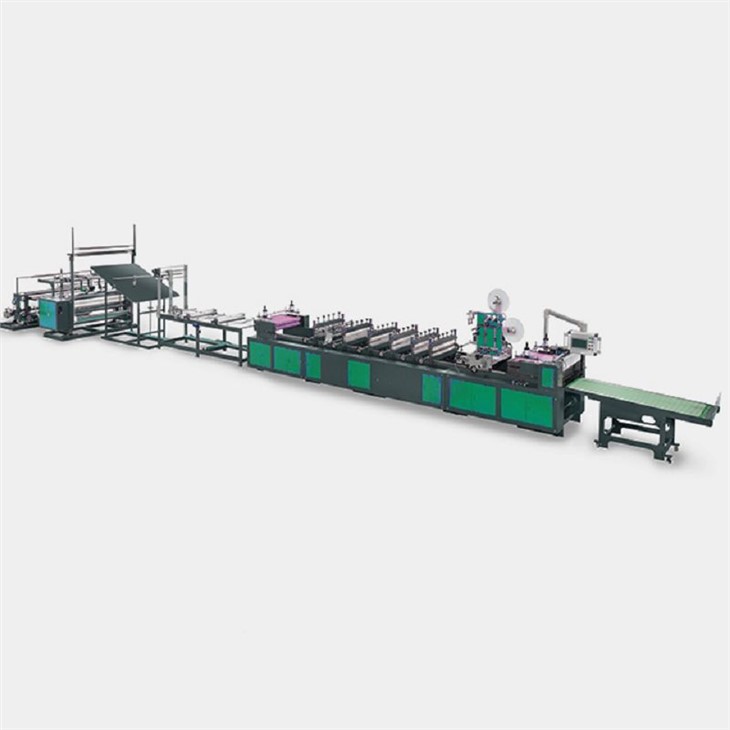
Step 4: Bottom Sealing
The most important step in the process is bottom sealing. This is where the two edges of the tubular film are joined together to form the bottom of the bag. The sealing is usually done using heat or ultrasonic technology.
Heat sealing is the most common method used in bottom seal bag making machines. It involves applying heat to the film at the sealing area, which melts the plastic and fuses the two edges together. The heat is applied using a heated sealing bar or a set of heating elements. The temperature and pressure of the sealing process are carefully controlled to ensure a strong and reliable seal.
Ultrasonic sealing, on the other hand, uses high-frequency sound waves to create heat and bond the plastic film. This method is known for its fast sealing speed and high-quality seals. It's also suitable for sealing thin or heat-sensitive materials.
Step 5: Cutting
After the bottom is sealed, the next step is to cut the continuous tube of film into individual bags. This is done using a cutting blade or a set of cutting knives. The cutting blade is usually located at the end of the machine and is designed to make a clean and precise cut.
The cutting process can be adjusted to produce bags of different lengths. Some machines also have a programmable cutting system that allows you to set the bag length and the number of bags to be produced. This is useful for mass production and can help to increase efficiency.
Step 6: Stacking and Counting
Once the bags are cut, they are usually stacked and counted. This is done using a stacking unit or a conveyor belt. The stacking unit collects the bags and arranges them in a neat stack, while the counting system keeps track of the number of bags produced.
The stacking and counting process is important for quality control and packaging. It allows you to ensure that each stack contains the correct number of bags and that the bags are properly aligned. Some machines also have a sorting system that can separate defective bags from the good ones, ensuring that only high-quality bags are packed and shipped.
Step 7: Output
The final step is the output of the finished bags. The stacked bags are usually discharged from the machine onto a conveyor belt or a collection bin. From there, they can be further processed, such as being packed into boxes or shipped to customers.
The output system is designed to be efficient and reliable. It ensures that the bags are transferred smoothly from the machine to the next stage of the production process. Some machines also have a quality control system that checks the bags for any defects or irregularities before they are output.
Other Types of Bag Making Machines
In addition to bottom seal bag making machines, we also offer other types of bag making machines, such as the Loop Handle Non Woven Bag Making Machine, High Speed Paper Bag Making Machine, and Side Sealing Bag Making Machine. These machines are designed to produce different types of bags, each with its own unique features and applications.
The Loop Handle Non Woven Bag Making Machine is used to make non-woven bags with a loop handle. These bags are popular in the retail industry because they are reusable, eco-friendly, and can be easily carried. The High Speed Paper Bag Making Machine, as the name suggests, is designed to produce paper bags at a high speed. It's a great choice for businesses that need to produce a large number of paper bags quickly. The Side Sealing Bag Making Machine is used to make bags with a side seal. These bags are commonly used for packaging small items, such as snacks, candies, and cosmetics.
Why Choose Our Bag Making Machines?
There are several reasons why you should choose our bag making machines. First of all, our machines are built with high-quality materials and advanced technology, ensuring reliable performance and long service life. We use the latest manufacturing techniques and quality control measures to ensure that each machine meets the highest standards.
Secondly, our machines are easy to operate and maintain. We provide comprehensive training and technical support to our customers, ensuring that they can use and maintain the machines effectively. Our machines also come with a user-friendly interface and intuitive controls, making them accessible to operators of all skill levels.
Finally, we offer a wide range of customization options. We understand that different customers have different needs and requirements, so we can customize our machines to meet your specific needs. Whether you need a machine with a specific bag size, printing option, or other features, we can work with you to develop a solution that meets your needs.
Contact Us for Purchase and Negotiation
If you're interested in our bottom seal bag making machines or any of our other bag making machines, please don't hesitate to contact us. We'd love to discuss your requirements and provide you with a detailed quote. Our sales team is always ready to answer your questions and help you find the right machine for your business.
So, what are you waiting for? Take the first step towards improving your bag production process and contact us today!
References
- "Plastic Bag Manufacturing Technology" by John Doe
- "Bag Making Machines: Principles and Applications" by Jane Smith


