

What is the Braking System of a Shrink Wrap Machine Turntable?
As a supplier of shrink wrap machine turntables, I often get asked about the braking systems used in these machines. A well - functioning braking system is crucial for the safe and efficient operation of a shrink wrap machine turntable. In this blog post, I'll explain what the braking system of a shrink wrap machine turntable is, its types, and its importance.
Understanding the Basics of a Shrink Wrap Machine Turntable
Before delving into the braking system, let's briefly understand what a shrink wrap machine turntable is. A shrink wrap machine turntable is a key component of a shrink wrapping system. It rotates the product being wrapped, allowing the shrink film to be evenly applied around it. This rotation ensures that the shrink film conforms tightly to the product's shape when heat is applied, providing a secure and professional - looking wrap.
The Role of the Braking System
The braking system of a shrink wrap machine turntable serves several important functions. Firstly, it controls the speed and movement of the turntable. When the wrapping process is complete or needs to be paused, the braking system stops the turntable quickly and precisely. This is essential for preventing over - wrapping or misaligned wrapping, which can lead to product damage or an unprofessional appearance.
Secondly, the braking system enhances safety. In a busy industrial environment, sudden stops or uncontrolled movement of the turntable can pose a risk to operators. A reliable braking system ensures that the turntable can be stopped immediately in case of an emergency, protecting both the machine and the people working around it.
Types of Braking Systems
There are several types of braking systems commonly used in shrink wrap machine turntables:
1. Mechanical Brakes
Mechanical brakes are one of the most traditional types of braking systems. They work by using friction to slow down and stop the rotation of the turntable. A common example is the drum brake. In a drum brake system, brake shoes are pressed against the inner surface of a drum attached to the turntable shaft. As the shoes press against the drum, friction is generated, which slows down and eventually stops the turntable.
Mechanical brakes are relatively simple and cost - effective. They are also easy to maintain, as the brake shoes can be replaced when they wear out. However, they may require more frequent adjustment compared to other types of brakes, as the friction material on the brake shoes wears down over time.
2. Electromagnetic Brakes
Electromagnetic brakes use an electromagnetic field to create a braking force. When an electric current is applied to the brake coil, it generates a magnetic field that engages the brake mechanism. This type of brake can be either spring - applied or electrically - applied.
In a spring - applied electromagnetic brake, the brake is normally engaged by a spring. When power is supplied to the coil, the magnetic field overcomes the spring force, releasing the brake. In an electrically - applied electromagnetic brake, the brake is released when there is no power, and it engages when power is applied.
Electromagnetic brakes offer fast response times, which means they can stop the turntable quickly. They are also more precise in terms of controlling the braking force, which is important for applications where accurate positioning of the turntable is required. However, they are more expensive than mechanical brakes and require a reliable power source.
3. Hydraulic Brakes
Hydraulic brakes use hydraulic fluid to transmit force and create a braking effect. In a hydraulic brake system, a piston is pushed by hydraulic fluid when the brake is activated. This piston then applies pressure to a braking surface, such as a disc or a drum, to slow down the turntable.
Hydraulic brakes can generate a large amount of braking force with relatively little effort. They are also very reliable and can operate in harsh environments. However, hydraulic systems are more complex and require regular maintenance to prevent leaks and ensure proper operation.

Factors Affecting Braking System Performance
Several factors can affect the performance of the braking system in a shrink wrap machine turntable:
1. Load Capacity
The weight and size of the products being wrapped on the turntable can have a significant impact on the braking system. Heavier loads require more braking force to stop the turntable quickly and safely. If the braking system is not properly sized for the load capacity, it may not be able to stop the turntable effectively, leading to potential safety hazards and poor wrapping quality.
2. Operating Speed
The speed at which the turntable rotates also affects the braking system. Higher operating speeds require a more powerful braking system to stop the turntable in a timely manner. If the braking system is not designed to handle the operating speed, it may take longer to stop the turntable, increasing the risk of over - wrapping or misaligned wrapping.
3. Environmental Conditions
The environment in which the shrink wrap machine operates can also affect the braking system. For example, in a dusty or dirty environment, the brake components may become contaminated, reducing their effectiveness. High temperatures can also cause the brake fluid in a hydraulic system to degrade or the friction material in a mechanical brake to wear out more quickly.
Importance of Choosing the Right Braking System
Choosing the right braking system for a shrink wrap machine turntable is essential for ensuring optimal performance and safety. A well - matched braking system will provide reliable stopping power, precise control, and long - term durability.
When selecting a braking system, it's important to consider the specific requirements of your shrink wrapping application. This includes the load capacity, operating speed, and environmental conditions. Working with a knowledgeable supplier can help you make the right choice.
As a supplier of shrink wrap machine turntables, we offer a range of options with different braking systems to meet the diverse needs of our customers. Whether you need a simple mechanical brake for a low - cost application or a high - performance electromagnetic brake for a precision - wrapping process, we can provide the right solution.
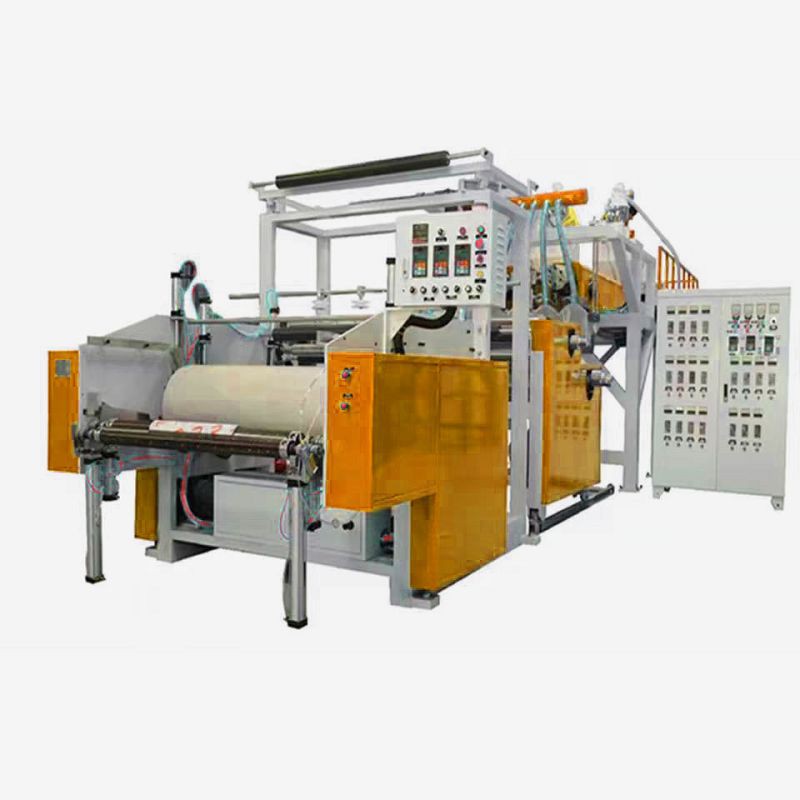
We also offer a variety of shrink wrap machines, such as the 1500mm Full Automatic Stretch Film Machine, which is designed for efficient and professional wrapping. Our Handheld Shrink Wrapper is a great option for smaller - scale or on - the - go wrapping tasks. And for industrial - scale operations, our Industrial Stretch Wrap Machine provides high - speed and reliable wrapping capabilities.
If you're in the market for a shrink wrap machine turntable or have any questions about the braking systems, we encourage you to reach out to us. Our team of experts is ready to assist you in finding the perfect solution for your business. We can provide detailed information, product demonstrations, and pricing quotes to help you make an informed decision.
Contact us today to start the conversation about your shrink wrapping needs. Let's work together to find the best shrink wrap machine turntable with the right braking system for your operations.
References
- "Industrial Machine Design Handbook", McGraw - Hill
- "Automotive and Industrial Braking Systems: Fundamentals, Properties, Applications", Springer
- Manufacturer's technical manuals for shrink wrap machines and braking systems.


