

In the modern packaging industry, handheld shrink wrappers have become a popular choice for businesses of all sizes due to their flexibility and ease of use. As a supplier of handheld shrink wrappers, I've witnessed firsthand the growing demand for these devices. However, it's crucial to understand the environmental impacts associated with their use. This blog post will explore the various environmental aspects of using a handheld shrink wrapper, including both the positive and negative effects.

Positive Environmental Impacts
Reduced Material Usage
One of the significant advantages of handheld shrink wrappers is their ability to use less packaging material compared to other traditional packaging methods. When you use a Handheld Shrink Wrap Machine, the shrink film conforms tightly to the product, eliminating the need for excessive padding or bulky boxes. This reduction in material usage not only saves resources but also reduces waste generation. For example, in a small - scale e - commerce business, using a handheld shrink wrapper to package individual items can significantly cut down on the amount of cardboard and plastic foam used for protection.
Energy Efficiency
Handheld shrink wrappers are generally more energy - efficient than large - scale shrink wrapping systems. They are designed to operate with relatively low power consumption, especially when compared to industrial conveyor - based shrink tunnels. Since they are used on a smaller scale and can be turned on and off as needed, there is less energy wasted during idle periods. This makes them a more sustainable option for businesses with lower production volumes. For instance, a local bakery using a handheld shrink wrapper to package freshly baked goods can save on energy costs while still achieving a professional and secure packaging.
Product Protection and Reduced Spoilage
By providing a tight and protective seal around products, handheld shrink wrappers can extend the shelf life of many items. This is particularly important for food products, where spoilage can lead to significant waste. When food items are properly shrink - wrapped, they are less likely to be exposed to air, moisture, and contaminants, which can cause deterioration. As a result, less food is wasted, and this has a positive impact on the environment. For example, a farmer's market vendor using a handheld shrink wrapper to package fresh produce can reduce the amount of produce that goes bad before it is sold.
Negative Environmental Impacts
Plastic Waste Generation
The most significant environmental concern associated with handheld shrink wrappers is the generation of plastic waste. Most shrink films used in these machines are made from polyethylene or polypropylene, which are non - biodegradable plastics. Once the product is unpacked, the shrink film often ends up in landfills, where it can take hundreds of years to decompose. In addition, improper disposal of these films can lead to littering, which can harm wildlife and damage ecosystems. For example, marine animals may mistake plastic shrink film for food, leading to ingestion and potential death.
Energy Consumption during Production
Although handheld shrink wrappers are energy - efficient during operation, the production of shrink films requires a significant amount of energy. The manufacturing process involves extracting and refining raw materials, as well as shaping and processing the plastic into film form. This energy consumption contributes to greenhouse gas emissions and reliance on fossil fuels. Moreover, the chemical processes used in plastic production can also release pollutants into the environment.
Recycling Challenges
Recycling shrink films can be challenging due to their thin and flexible nature. They often get tangled in recycling machinery, causing operational problems. As a result, many recycling facilities are reluctant to accept shrink films, or they require special handling. This lack of widespread recycling options means that a large portion of shrink film waste ends up in landfills or incinerators, further contributing to environmental degradation.
Mitigating the Environmental Impacts
Using Biodegradable and Compostable Films
One way to reduce the environmental impact of handheld shrink wrappers is to use biodegradable or compostable shrink films. These films are made from natural materials such as starch or cellulose and can break down much faster than traditional plastics. For example, some companies are now producing biodegradable shrink films that can decompose in a matter of months under the right conditions. By switching to these alternative films, businesses can significantly reduce their plastic waste footprint.
Improving Recycling Programs
As a supplier, we can play a role in promoting better recycling options for shrink films. This can involve educating customers about the importance of recycling and providing information on local recycling facilities that accept shrink films. Additionally, we can work with recycling companies to develop more efficient recycling processes for these films. For example, some innovative recycling technologies are being developed to convert shrink films into new plastic products or fuel.
Encouraging Reuse
Another strategy is to encourage the reuse of shrink films. For example, businesses can collect and clean used shrink films and reuse them for less - critical packaging tasks. This can be particularly effective for non - food items. By promoting reuse, we can extend the lifespan of the shrink films and reduce the demand for new materials.
Conclusion
As a supplier of handheld shrink wrappers, I understand the importance of balancing the benefits of these machines with their environmental impacts. While they offer several advantages in terms of material usage, energy efficiency, and product protection, the generation of plastic waste and energy consumption during production are significant concerns. However, by taking steps such as using biodegradable films, improving recycling programs, and encouraging reuse, we can minimize these negative impacts.
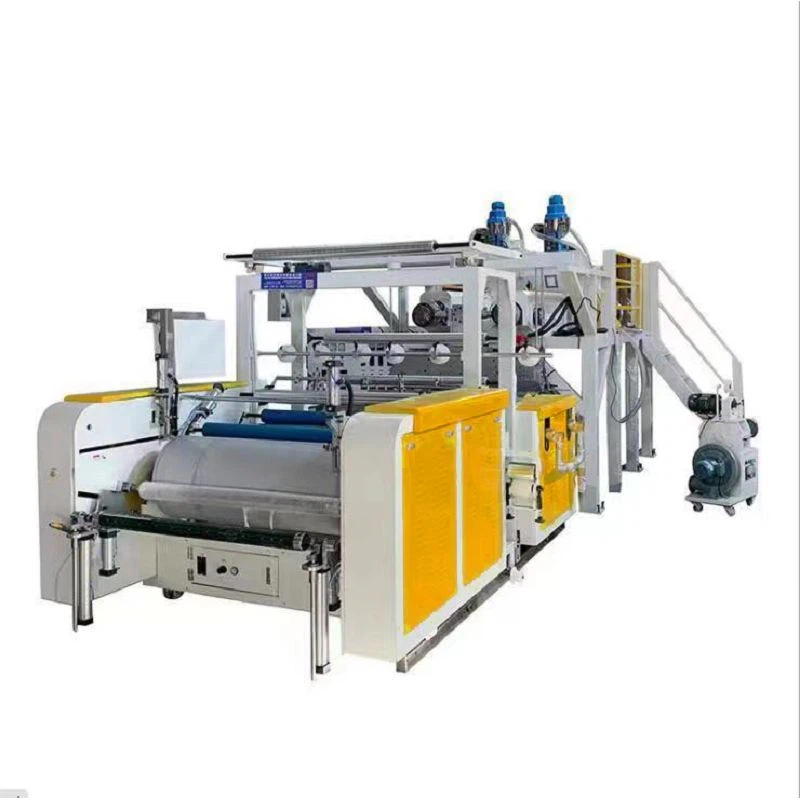
If you are interested in learning more about our Handheld Shrink Wrap Machine or our other products like the High Speed Co - extrusion Stretch Film Machine and High Speed 5 Layer Stretch Film Machine, we invite you to reach out to us for a detailed discussion. We are committed to providing sustainable packaging solutions that meet your business needs while minimizing the environmental footprint. Contact us today to start a conversation about how we can work together to achieve your packaging goals in an environmentally responsible way.
References
- "Packaging and the Environment: A Guide for Small and Medium - Sized Enterprises", United Nations Industrial Development Organization.
- "The State of Plastic Recycling", Environmental Protection Agency.
- "Energy Efficiency in Packaging Machinery", International Journal of Sustainable Manufacturing.


