

Hey there! As a supplier of stretch film machines, I've seen firsthand how much stretch film can go to waste in the production process. It's not only a financial hit but also a blow to the environment. So, I'm here to share some tips on how you can reduce the waste of stretch film in your machine.
1. Optimize Machine Settings
One of the first things you can do is to optimize the settings of your stretch film machine. Different products and packaging requirements call for different settings. For example, if you're wrapping small, lightweight items, you might not need as much stretch film as you would for large, heavy pallets.
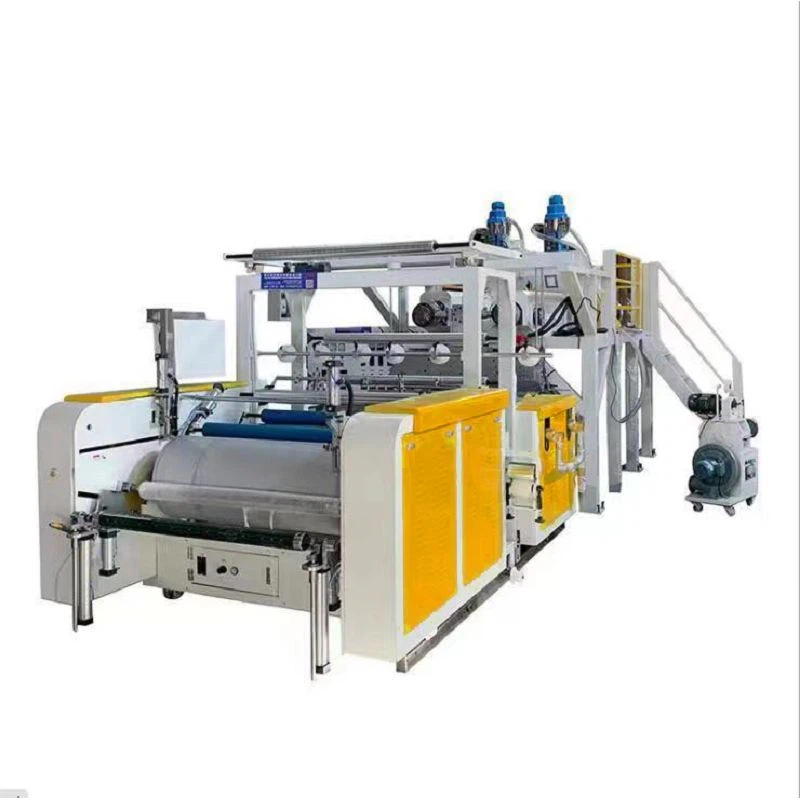
Take the time to understand your machine's capabilities and adjust the tension, speed, and overlap settings accordingly. A high - speed co - extrusion stretch film machine, like the one we offer at High Speed Co - extrusion Stretch Film Machine, allows for precise control of these settings. By getting the settings right, you can ensure that just the right amount of stretch film is used for each package, reducing excess waste.
2. Conduct Regular Maintenance
A well - maintained machine is a key to reducing stretch film waste. Over time, parts of the machine can wear out, which can lead to uneven stretching, tearing, or misapplication of the stretch film. Regularly check and replace worn - out parts such as rollers, cutters, and seals.
Clean the machine regularly to prevent the build - up of debris, which can also affect the performance of the machine. Lubricate moving parts as recommended by the manufacturer. An industrial stretch wrap machine, such as the one on our website Industrial Stretch Wrap Machine, is built to last, but proper maintenance is still crucial to keep it running efficiently and minimizing waste.
3. Train Your Staff
Your staff plays a vital role in reducing stretch film waste. Make sure they are properly trained on how to operate the stretch film machine. Teach them the correct techniques for loading the film, adjusting the settings, and handling different types of products.
Encourage your employees to be mindful of waste and to report any issues with the machine immediately. A well - trained team can identify problems early on, such as a film break or a misaligned roller, and take corrective action before a large amount of film is wasted.

4. Use the Right Type of Stretch Film
Not all stretch films are created equal. There are different types of stretch films available, each with its own properties and applications. Choose a stretch film that is appropriate for your products and machine.
For example, if you're wrapping products with sharp edges, you'll need a film with high puncture resistance. If you're looking for cost - effectiveness, a thinner film might be suitable, as long as it can still provide adequate protection. Using the right film can prevent issues like tearing and over - wrapping, which lead to waste.
5. Implement Quality Control Checks
Set up a quality control system to monitor the use of stretch film. Regularly inspect the wrapped products to ensure that the film is being applied correctly and that there is no excessive use.
You can use tools like film thickness gauges to measure the thickness of the film being used and ensure it meets the specifications. By catching any issues early, you can make adjustments to the machine settings or the film type, reducing waste in the long run.
6. Recycling and Reusing
If you do end up with some stretch film waste, consider recycling or reusing it. Some types of stretch films can be recycled into new products. Check with local recycling facilities to see if they accept stretch film.
You can also look for ways to reuse the film within your own operations. For example, you can use small pieces of leftover film to secure smaller items or to make temporary repairs.
7. Analyze and Improve
Keep track of your stretch film usage over time. Analyze the data to identify patterns and areas where waste can be reduced. Look at factors like the number of film breaks, the amount of excess film used per package, and the frequency of machine malfunctions.
Based on your analysis, make changes to your processes, machine settings, or film selection. Continuous improvement is key to reducing waste in the long term.
In conclusion, reducing the waste of stretch film in a machine is a multi - faceted approach. By optimizing machine settings, conducting regular maintenance, training your staff, using the right film, implementing quality control checks, recycling and reusing, and continuously analyzing and improving, you can significantly cut down on waste.
If you're interested in learning more about our stretch film machines or need help in reducing stretch film waste, don't hesitate to reach out. Our team of experts is ready to assist you in finding the best solutions for your business. Whether you're in the market for a high - speed co - extrusion stretch film machine, an industrial stretch wrap machine, or an automatic shrink wrap machine for pallets like the one on Automatic Shrink Wrap Machine For Pallets, we've got you covered. Let's work together to make your packaging process more efficient and sustainable.
References
- "Stretch Film Handbook" - Industry - specific guide on stretch film properties and applications.
- Manufacturer's manuals for stretch film machines, which provide detailed information on operation and maintenance.
- Research papers on waste reduction in packaging processes from academic journals.


