

Hey there fellow bag - making enthusiasts! As a supplier of Bottom Seal Bag Machines, I'm here today to share some awesome tips on how to lubricate your machine. Lubrication is like giving your machine a little wellness treatment. It keeps all the moving parts working smoothly, reduces wear and tear, and can even add years to your machine's lifespan.
Why Lubrication is a Big Deal
Before we jump into the how - to part, let's quickly understand why lubrication is so important. A Bottom Seal Bag Machine has tons of moving components. These parts, like gears, bearings, and chains, are constantly rubbing against each other. Without proper lubrication, this friction can lead to overheating, excessive wear, and even breakdowns. And nobody wants that, right?
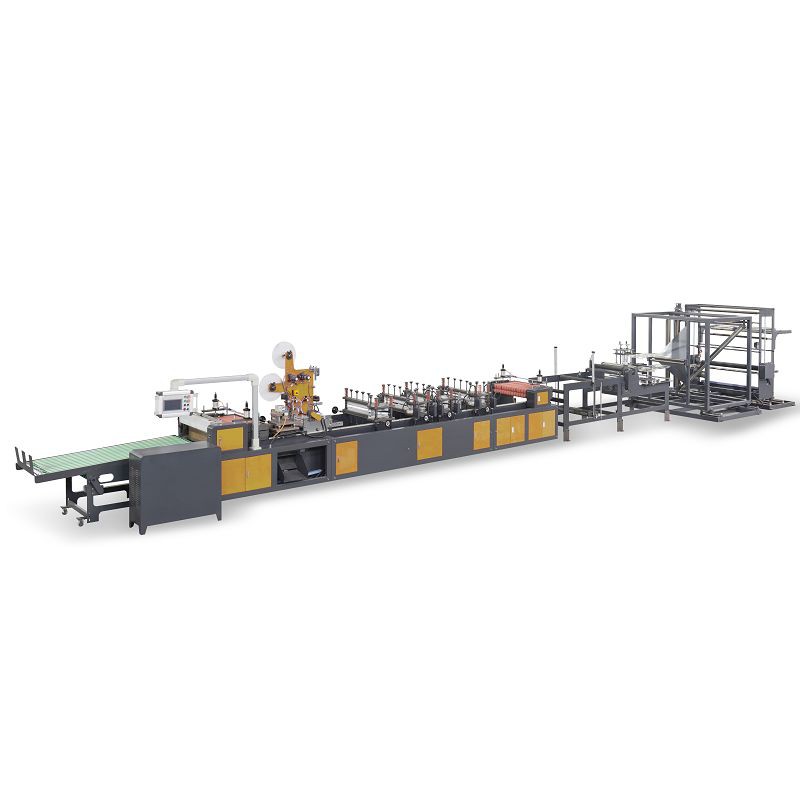

Not only does lubrication prevent these mechanical issues, but it also ensures the machine operates efficiently. When the parts move smoothly, your bag production process runs at optimal speed, which means more bags and more profits for you.
Choosing the Right Lubricant
The first step in lubricating your Bottom Seal Bag Machine is picking the right lubricant. There are several types available, and choosing the wrong one can do more harm than good.
Oil - based Lubricants
Oil - based lubricants are great for general use. They're easy to apply and can quickly penetrate into small spaces. These are ideal for parts that need a thin, lightweight lubrication, like chains and some small bearings. However, they tend to evaporate over time, so they require more frequent re - application.
Grease Lubricants
Grease is thicker and stickier than oil. It provides long - lasting lubrication and doesn't run off easily. Greases are perfect for heavy - duty components like large bearings and gears. They can handle high pressures and temperatures and offer better protection against dust and debris.
Food - grade Lubricants
If your Bottom Seal Bag Machine is used for producing bags for food products, then food - grade lubricants are a must. These lubricants are made to be non - toxic and safe for accidental contact with food. They meet strict health and safety standards and are just as effective as regular lubricants.
Lubrication Process
Step 1: Preparation
Before you start lubricating, make sure the machine is turned off and unplugged. This is a safety must - do! Also, gather all the tools you'll need, such as a lubricant applicator (a grease gun for grease or an oil can for oil), a clean cloth, and maybe some gloves to keep your hands clean.
Step 2: Cleaning the Parts
Use the clean cloth to wipe down the parts you're going to lubricate. Remove any dust, dirt, or old lubricant. This step is crucial because if you apply new lubricant on top of dirty components, it won't work as effectively and can even cause clogs.
Step 3: Applying the Lubricant
- Chains: For oil - lubricated chains, simply drip oil onto the links. Make sure to cover the entire length of the chain. Move the chain a bit to help the oil spread evenly. If you're using a grease - lubricated chain, use a grease gun to apply small amounts of grease in between the links.
- Bearings: For small bearings, a few drops of oil can do the trick. For larger bearings, you'll need to use a grease gun. Apply the grease until a small amount starts to squeeze out from the other side of the bearing. This ensures the bearing is fully lubricated.
- Gears: Grease is the best option for gears. Apply a thin layer of grease onto the teeth of the gears. You can use a small brush or a spatula to spread the grease evenly.
Step 4: Re - checking and Wiping
Once you've applied the lubricant, double - check that all parts have been properly lubricated. Then, use the clean cloth to wipe off any excess lubricant. Excess lubricant can attract dust and dirt, which can be bad for your machine.
Frequency of Lubrication
How often you should lubricate your Bottom Seal Bag Machine depends on a few factors.
- Usage: If your machine runs continuously for long hours every day, you'll need to lubricate it more frequently. Maybe once a week or even every few days for some parts.
- Environment: Machines operating in dirty or dusty environments may need more frequent lubrication. The dust can quickly degrade the lubricant and cause more wear on the parts.
- Manufacturer's Recommendations: Always refer to the machine's manual. The manufacturer usually provides specific guidelines on lubrication intervals for different parts of the machine.
Troubleshooting Lubrication Issues
Sometimes, you may run into some problems even after lubricating your machine.
- Noisy Operation: If your machine starts making strange noises after lubrication, it could mean that either too much or too little lubricant has been applied. Double - check the parts and adjust the lubrication amount accordingly.
- Leaking Lubricant: If you notice lubricant leaking from the machine, there could be a problem with the seals or the application method. Check for any damaged seals and make sure you're not over - applying the lubricant.
Other Related Bag - Making Machines
If you're interested in expanding your bag - making capabilities, we also offer a range of other machines. Check out our Clothes Bag Machine, which is designed specifically for making high - quality clothes bags. We also have the OPP Thermal Cutting And Bag Making Machine, perfect for creating OPP bags with precision. And for side - sealed bags, our Side Sealing Bag Making Machine is a top - notch choice.
Contact Us for Purchase
If you're looking to purchase a new Bottom Seal Bag Machine or have any questions about lubrication or our other products, we'd love to hear from you. Reach out to us for a friendly chat and let's discuss how we can meet your bag - making needs.
References
- General knowledge about industrial machine lubrication.
- Experience and expertise as a Bottom Seal Bag Machine supplier.


