

Determining the right gauge of machine stretch film for your needs is a crucial decision that can significantly impact the efficiency and effectiveness of your packaging operations. As a seasoned supplier of machine stretch film, I've seen firsthand how the wrong choice can lead to unnecessary costs, product damage, and operational inefficiencies. In this blog post, I'll share some insights and guidelines to help you make an informed decision.
Understanding Stretch Film Gauge
Before we dive into how to determine the right gauge, it's essential to understand what gauge means in the context of stretch film. The gauge of a stretch film refers to its thickness, typically measured in thousandths of an inch (mils) or microns. A higher gauge indicates a thicker film, while a lower gauge means a thinner film. The gauge of the stretch film you choose will depend on several factors, including the type of product you're packaging, the packaging equipment you're using, and your specific packaging requirements.
Factors to Consider When Choosing the Right Gauge
Product Characteristics
The nature of the product you're packaging is one of the most critical factors in determining the right gauge of stretch film. Consider the following aspects:
- Weight and Size: Heavier and larger products generally require a thicker gauge film to provide sufficient strength and stability during transit. For example, if you're packaging heavy machinery parts or large pallets of goods, a film with a higher gauge, such as 80 to 100 microns, may be necessary to prevent the load from shifting or toppling.
- Shape and Surface: Irregularly shaped products or those with sharp edges may require a thicker film to resist tearing. A smooth, rounded surface may allow for the use of a thinner film, while a product with protruding parts or rough edges may need a more robust film to withstand the stress.
- Fragility: Fragile products need extra protection to avoid damage. A thicker gauge film can provide a cushioning effect and reduce the risk of breakage. For instance, if you're packaging glassware or electronics, a film with a gauge of 60 to 80 microns may be appropriate.
Packaging Equipment
The type of packaging equipment you use also plays a significant role in determining the right gauge of stretch film. Different machines have different capabilities and requirements:
- Automatic Stretch Wrappers: These machines are designed to handle a wide range of film gauges, but they typically work best with films that are compatible with their specific design. Some automatic wrappers may require a thinner film for optimal performance, while others can accommodate thicker films. Consult the manufacturer's guidelines to determine the recommended gauge range for your machine.
- Semi - Automatic Stretch Wrappers: Semi - automatic machines may have more flexibility in terms of film gauge, but they still require a film that can be easily stretched and applied. Thicker films may be more difficult to handle with semi - automatic equipment, so it's important to choose a gauge that is suitable for the machine's capabilities.
- Manual Stretch Wrappers: When using a manual wrapper, the operator's strength and ability to stretch the film are important considerations. Thinner films are generally easier to stretch manually, but they may not provide enough strength for heavy or large loads. For manual applications, a gauge of 30 to 50 microns is often a good choice.
Packaging Environment and Handling
The conditions in which the packaged products will be stored and transported also affect the choice of film gauge. Consider the following:

- Storage Conditions: If the products will be stored for an extended period, a thicker film may be necessary to protect them from environmental factors such as moisture, dust, and UV radiation. A film with a higher gauge can provide better barrier properties and help maintain the integrity of the product.
- Transportation: During transit, the packaged products may be subjected to vibrations, shocks, and handling. A thicker film can better withstand these stresses and prevent the load from shifting or becoming damaged. If the products will be transported over long distances or on rough roads, a higher gauge film is recommended.
Benefits of Choosing the Right Gauge
Selecting the appropriate gauge of machine stretch film offers several benefits:
- Cost Savings: Using the right gauge film can help you avoid over - or under - using film, which can lead to unnecessary costs. A thinner film may be sufficient for some applications, reducing material costs without sacrificing performance.
- Product Protection: The right gauge film provides the necessary strength and protection to keep your products safe during storage and transportation. This can reduce the risk of product damage and returns, saving you money in the long run.
- Operational Efficiency: A film that is compatible with your packaging equipment and easy to handle can improve the efficiency of your packaging operations. This can lead to faster packaging times, reduced downtime, and increased productivity.
How to Test Different Gauges
To determine the right gauge for your specific needs, it's a good idea to conduct some tests. Here's how:
- Sample Testing: Request samples of different gauge films from your supplier and test them on your products using your packaging equipment. Evaluate the performance of each film in terms of strength, stretchability, tear resistance, and load stability.
- Field Testing: Conduct field tests by packaging a small batch of products with each gauge film and sending them through your normal storage and transportation processes. Monitor the condition of the products upon arrival and collect feedback from your customers.
Our Product Range and Expertise
As a leading supplier of machine stretch film, we offer a wide range of gauges to meet the diverse needs of our customers. Our films are made from high - quality materials and are designed to provide excellent strength, stretchability, and clarity. Whether you need a thin film for light - duty applications or a thick film for heavy - duty packaging, we have the right solution for you.
We also have a team of experts who can provide personalized advice and guidance on choosing the right gauge of stretch film for your specific requirements. We understand that every customer's needs are unique, and we're committed to helping you find the best film for your application.
Related Products
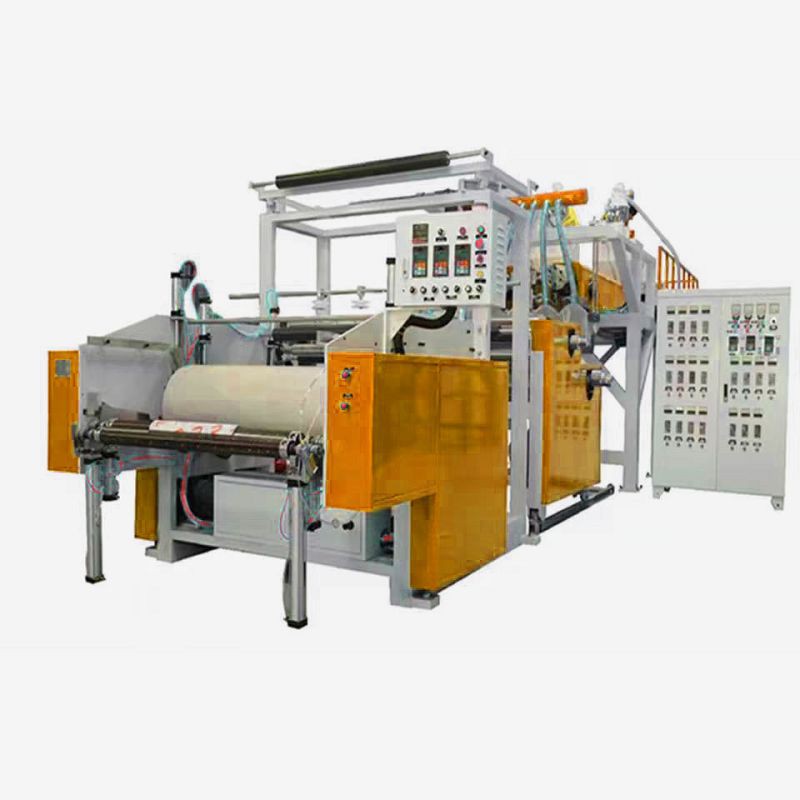
In addition to our high - quality machine stretch films, we also offer a range of packaging equipment to complement your packaging operations. Check out our Shrink Wrap Machine Turntable, which is designed to provide efficient and reliable shrink wrapping for a variety of products. Our Multilayer Stretch Film Coextrusion Machine allows you to produce high - performance stretch films with multiple layers, offering enhanced strength and barrier properties. And for more flexible packaging solutions, our Handheld Shrink Wrapper is a convenient option for small - scale or on - the - go packaging.
Contact Us for Procurement
If you're interested in learning more about our machine stretch films or need help determining the right gauge for your needs, we'd love to hear from you. Our team of experts is ready to assist you in finding the perfect packaging solution for your business. Whether you have questions about our products, need a sample, or want to discuss a large - scale procurement, don't hesitate to reach out. We're committed to providing you with the highest level of service and support to ensure your packaging operations run smoothly and efficiently.
References
- Packaging Machinery Manufacturers Institute (PMMI). "Best Practices for Stretch Film Selection."
- American Society for Testing and Materials (ASTM). "Standards for Stretch Film Performance."


