
In the dynamic world of packaging, choosing the right material is crucial for businesses aiming to optimize efficiency, reduce costs, and ensure product safety. As a leading supplier of machine stretch film, I've witnessed firsthand the transformative impact this packaging solution can have on various industries. In this blog post, I'll delve into a comprehensive comparison between machine stretch film and other commonly used packaging materials, highlighting the unique advantages and considerations of each.
Machine Stretch Film: An Overview
Machine stretch film is a highly versatile packaging material made from linear low-density polyethylene (LLDPE). It is designed to be used with automated stretch wrapping machines, which apply the film around products or pallets, stretching it to create a tight, secure wrap. This process not only stabilizes the load but also protects it from dust, moisture, and damage during transit and storage.
One of the key features of machine stretch film is its high stretchability. Depending on the type and quality of the film, it can be stretched up to 300% or more without losing its integrity. This property allows for significant material savings, as less film is required to wrap the same amount of product compared to other packaging materials. Additionally, the stretchability of the film enables it to conform to the shape of the load, providing a custom fit that enhances stability and protection.
Another advantage of machine stretch film is its clarity and transparency. This allows for easy identification of the products inside the wrap, which is particularly useful in industries where inventory management and product visibility are important. The film also has excellent puncture and tear resistance, ensuring that it can withstand the rigors of handling and transportation.
Comparison with Other Packaging Materials
Corrugated Boxes
Corrugated boxes are one of the most widely used packaging materials in the world. They are made from layers of paperboard, with a fluted middle layer that provides strength and cushioning. While corrugated boxes offer good protection for individual products, they have several limitations when it comes to palletizing and shipping large quantities of goods.
One of the main drawbacks of corrugated boxes is their bulkiness. They take up a significant amount of space, both on the pallet and in storage, which can increase transportation and storage costs. Additionally, boxes need to be assembled and sealed, which adds time and labor to the packaging process. In contrast, machine stretch film can be applied quickly and easily using automated equipment, reducing packaging time and labor costs.
Another issue with corrugated boxes is their susceptibility to damage. They can be easily crushed, torn, or waterlogged, which can compromise the integrity of the product inside. Machine stretch film, on the other hand, is more resistant to damage and can provide a continuous barrier of protection around the load.
Strapping
Strapping is another common method of securing pallets and bundles of products. It involves using a strong band, typically made of steel or plastic, to hold the load together. While strapping can be effective in providing additional stability, it has several disadvantages compared to machine stretch film.
One of the main issues with strapping is its lack of flexibility. It can only be applied in a straight line, which may not be suitable for irregularly shaped loads. Additionally, strapping can cause damage to the product if it is too tight or if it rubs against the surface during transit. Machine stretch film, on the other hand, conforms to the shape of the load and provides a gentle, even pressure that minimizes the risk of damage.
Another drawback of strapping is its cost. Steel strapping is relatively expensive, and the equipment required to apply it can be costly to purchase and maintain. Plastic strapping is less expensive, but it may not be as strong as steel and can be more prone to breakage. Machine stretch film, on the other hand, is a cost-effective solution that offers a high level of performance and reliability.
Shrink Wrap
Shrink wrap is a type of plastic film that is heated to shrink and conform to the shape of the product. It is commonly used for packaging individual items, such as food products, electronics, and consumer goods. While shrink wrap can provide a tight, secure fit, it has several limitations when it comes to palletizing and shipping large quantities of goods.
One of the main issues with shrink wrap is its application process. It requires the use of a heat source, such as a shrink tunnel or a handheld heat gun, which can be time-consuming and energy-intensive. Additionally, shrink wrap can be difficult to apply evenly, especially on irregularly shaped loads, which can result in a less-than-perfect appearance. Machine stretch film, on the other hand, can be applied quickly and easily using automated equipment, without the need for heat.
Another drawback of shrink wrap is its limited stretchability. It can only be stretched to a certain extent before it tears or loses its integrity, which may not be sufficient for some applications. Machine stretch film, on the other hand, has a much higher stretchability, allowing it to conform to the shape of the load and provide a more secure wrap.
Our Machine Stretch Film Solutions
At our company, we offer a wide range of machine stretch film products to meet the diverse needs of our customers. Our films are available in different thicknesses, widths, and colors, and can be customized to suit specific applications.
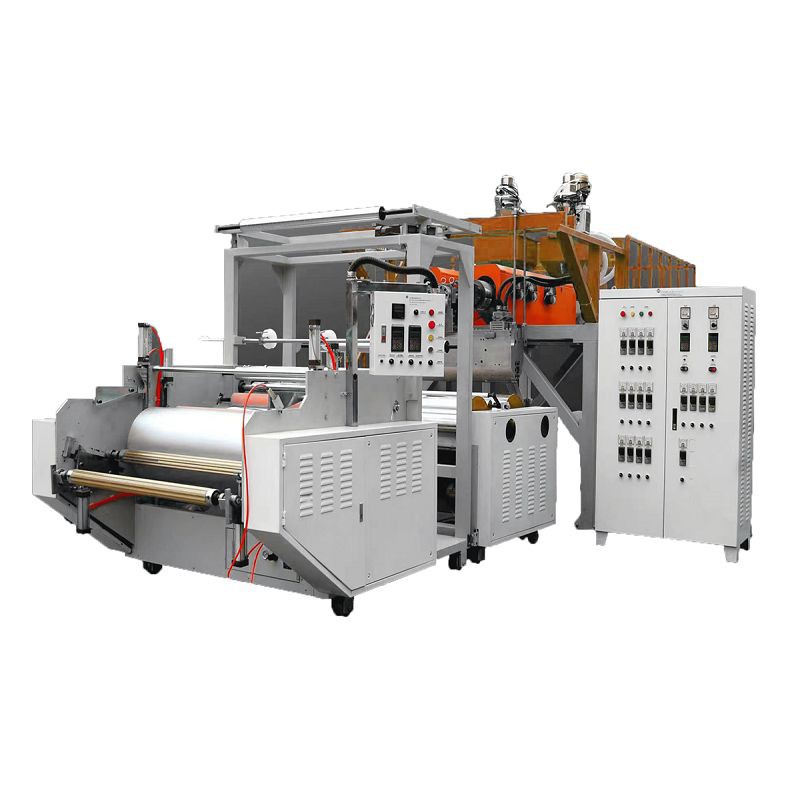
One of our popular products is the Highlight Stretch Wrap Machine. This machine is designed to provide high-speed, efficient wrapping of pallets and other large loads. It features advanced technology that allows for precise control of the stretch ratio and tension, ensuring a tight, secure wrap every time.
Another product we offer is the Low Profile Stretch Wrap Machine. This machine is ideal for applications where space is limited, such as in warehouses or distribution centers. It has a compact design that allows it to be easily integrated into existing packaging lines, and it can be customized to meet specific requirements.

In addition to our stretch wrap machines, we also offer a variety of handheld stretch film applicators, including the Handheld Shrink Wrapper. These applicators are perfect for small-scale or irregularly shaped loads, and they provide a convenient and cost-effective way to apply stretch film.
Conclusion
In conclusion, machine stretch film offers several advantages over other packaging materials, including cost savings, flexibility, and ease of use. It is a versatile solution that can be used in a wide range of industries and applications, and it provides a high level of protection for products during transit and storage.
If you're looking for a reliable and cost-effective packaging solution for your business, we encourage you to consider our machine stretch film products. Our team of experts is available to help you choose the right film and equipment for your specific needs, and we offer competitive pricing and excellent customer service.
Contact us today to learn more about our machine stretch film solutions and to discuss your packaging requirements. We look forward to working with you to find the best packaging solution for your business.
References
- Packaging Machinery Manufacturers Institute (PMMI). (2023). Packaging Machinery: The Future of Packaging.
- Smith, J. (2022). The Benefits of Machine Stretch Film in Packaging. Journal of Packaging Science and Technology, 15(2), 45-52.
- Jones, A. (2021). Comparing Packaging Materials: A Guide for Businesses. Packaging World, 30(4), 23-28.


