

The film feeding speed plays a crucial role in the bag - making process of a bottom seal bag making machine. As a reliable supplier of bottom seal bag making machines, we have in - depth knowledge and practical experience regarding how this speed factor impacts bag - making quality.
Impact on Sealing Quality
One of the most significant aspects affected by film feeding speed is the sealing quality of bottom seal bags. When the film feeding speed is too fast, the heat - sealing mechanism may not have sufficient time to properly bond the film layers together. The sealing time, which is closely related to the speed, is vital for creating a strong and durable seal. If the film moves through the sealing area at an excessive rate, the heat transfer may be incomplete, resulting in weak seals that are prone to leakage or separation.
For instance, in the production of bags used for packaging food items, a poor seal can lead to spoilage due to air and moisture ingress. This not only affects the product inside the bag but also damages the reputation of the brand using these bags. On the other hand, if the film feeding speed is too slow, it can cause over - heating of the sealing area. Over - heating can lead to the film melting and deforming, creating an uneven and unsightly seal. It can also reduce the overall production efficiency, as the machine will take longer to produce each bag.
Impact on Bag Dimensions
The film feeding speed also has a direct influence on the dimensions of the bottom seal bags. A consistent film feeding speed is essential for maintaining accurate bag lengths and widths. If the speed fluctuates during the bag - making process, it can result in bags with inconsistent lengths. For example, if the speed suddenly increases during the cutting phase, the bag may be cut shorter than the desired length.
In the manufacturing of bags for specific products, such as cosmetics or electronics, precise bag dimensions are crucial. An incorrect bag size can lead to problems during the packaging process, as the product may not fit properly inside the bag. Moreover, inconsistent bag dimensions can also cause issues during storage and transportation, as the bags may not stack or arrange neatly.

Impact on Bag Appearance
The appearance of the bottom seal bags is another area that is affected by the film feeding speed. A smooth and uniform film feeding speed helps to ensure that the bags have a clean and professional look. When the speed is irregular, it can cause wrinkles or creases in the film. These wrinkles not only make the bags look unappealing but can also affect the functionality of the bags.
For example, if a bag has a wrinkle in the area where a label is to be applied, the label may not adhere properly, leading to a poor - looking final product. In addition, irregular film feeding speed can also cause the film to stretch unevenly, resulting in a distorted appearance. This is particularly important in industries where the visual appeal of the packaging is a significant factor, such as the fashion or luxury goods sectors.
Optimizing Film Feeding Speed for Quality Bag Making
To achieve the best bag - making quality, it is essential to optimize the film feeding speed according to the specific requirements of the bag - making process. This involves considering factors such as the type of film being used, the thickness of the film, and the desired bag dimensions.
For thinner films, a relatively higher film feeding speed may be possible without sacrificing sealing quality. Thinner films conduct heat more quickly, so they can be sealed in a shorter time. However, for thicker films, a slower speed may be necessary to ensure proper heat transfer and a strong seal.
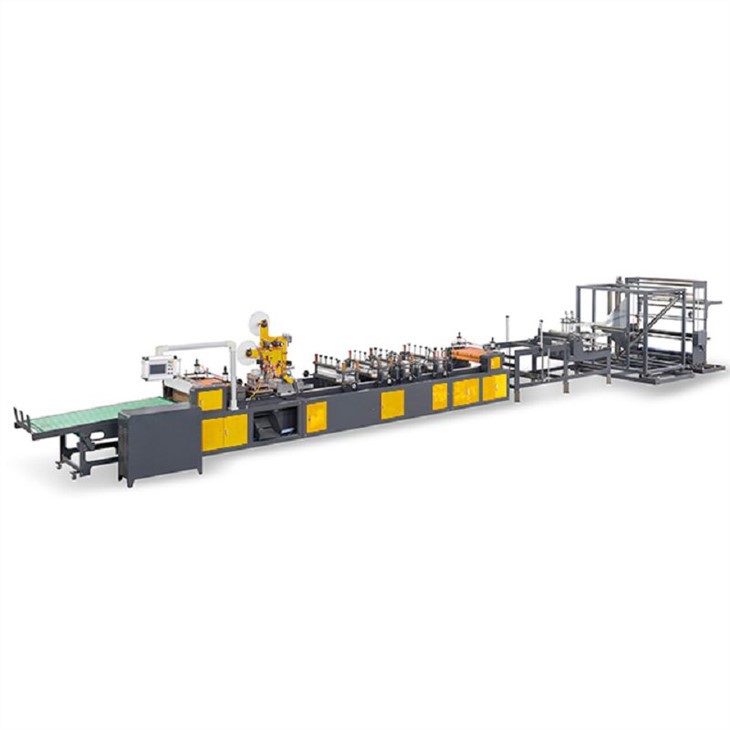
Advanced bottom seal bag making machines are equipped with speed control systems that allow operators to adjust the film feeding speed precisely. These systems often use sensors to monitor the speed and make real - time adjustments to maintain consistency. Additionally, regular maintenance of the machine is crucial to ensure that all components related to film feeding, such as the rollers and motors, are functioning properly. This helps to prevent speed fluctuations and ensures a smooth bag - making process.
Comparison with Other Bag Making Machines
When comparing bottom seal bag making machines with other types of bag making machines, such as Pp Bag Manufacturing Machine or OPP Thermal Cutting And Bag Making Machine, the importance of film feeding speed remains consistent. However, each type of machine may have different optimal speed ranges based on their specific design and functionality.
For example, the OPP Thermal Cutting And Bag Making Machine uses thermal cutting technology, which may require a different film feeding speed compared to a bottom seal bag making machine. The thermal cutting process generates a significant amount of heat, and the film feeding speed needs to be adjusted to ensure that the cutting is clean and precise.
Similarly, the Pp Bag Manufacturing Machine is designed to produce bags from polypropylene (PP) material. PP has different properties compared to other films, so the optimal film feeding speed for this machine will also be different.
The Role of Automation in Controlling Film Feeding Speed
Automation plays a vital role in controlling the film feeding speed of bottom seal bag making machines. Automated systems can accurately measure and adjust the speed based on pre - set parameters. This reduces the risk of human error and ensures consistent bag - making quality.
Modern bag making machines are often equipped with programmable logic controllers (PLCs) that can control the film feeding speed with high precision. These PLCs can be programmed to adjust the speed according to different bag - making requirements, such as bag size, film type, and production volume. Additionally, automation can also help in detecting and correcting any speed irregularities in real - time, improving the overall efficiency and quality of the bag - making process.
Industry - Specific Requirements for Film Feeding Speed
Different industries have specific requirements for the quality of bottom seal bags, which in turn affects the optimal film feeding speed. In the food industry, for example, strict hygiene and safety standards must be met. This requires a high - quality seal to prevent contamination. Therefore, the film feeding speed needs to be carefully adjusted to ensure that the seals are strong and reliable.
In the medical industry, where the bags are used for packaging medical devices or supplies, the bags must be sterile and have a high level of integrity. The film feeding speed should be optimized to ensure that the bags are free from defects and can maintain their sterility during storage and transportation.
Conclusion
In conclusion, the film feeding speed has a profound influence on the bag - making quality of a bottom seal bag making machine. It affects the sealing quality, bag dimensions, and bag appearance. By understanding the relationship between film feeding speed and bag - making quality, operators can optimize the speed to produce high - quality bags that meet the specific requirements of different industries.
As a leading supplier of bottom seal bag making machines, we are committed to providing our customers with the best solutions for their bag - making needs. Our machines are designed with advanced speed control systems to ensure precise and consistent film feeding. If you are interested in learning more about our bottom seal bag making machines or need advice on optimizing the film feeding speed for your specific bag - making process, please feel free to contact us for a detailed discussion and potential procurement negotiations. We are confident that our expertise and high - quality machines can help you achieve the best bag - making results.
References
- Smith, J. (2018). "Advanced Bag Making Technologies." Packaging Industry Journal, Vol. 25, pp. 34 - 45.
- Johnson, M. (2019). "Optimizing Film Feeding in Bag Making Processes." Manufacturing Excellence Review, Vol. 32, pp. 56 - 67.
- Brown, A. (2020). "The Impact of Speed on Packaging Quality." International Journal of Packaging Science, Vol. 40, pp. 78 - 89.


