

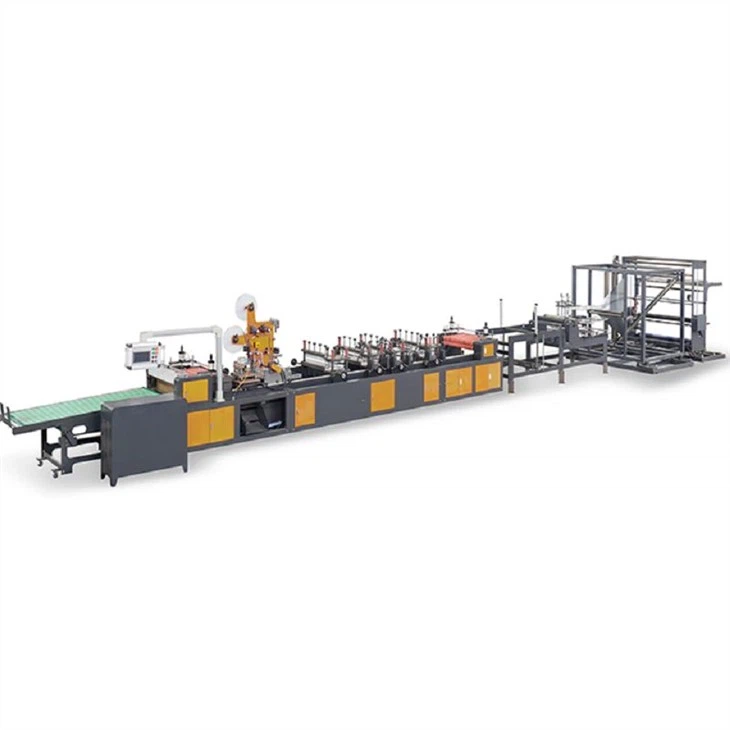
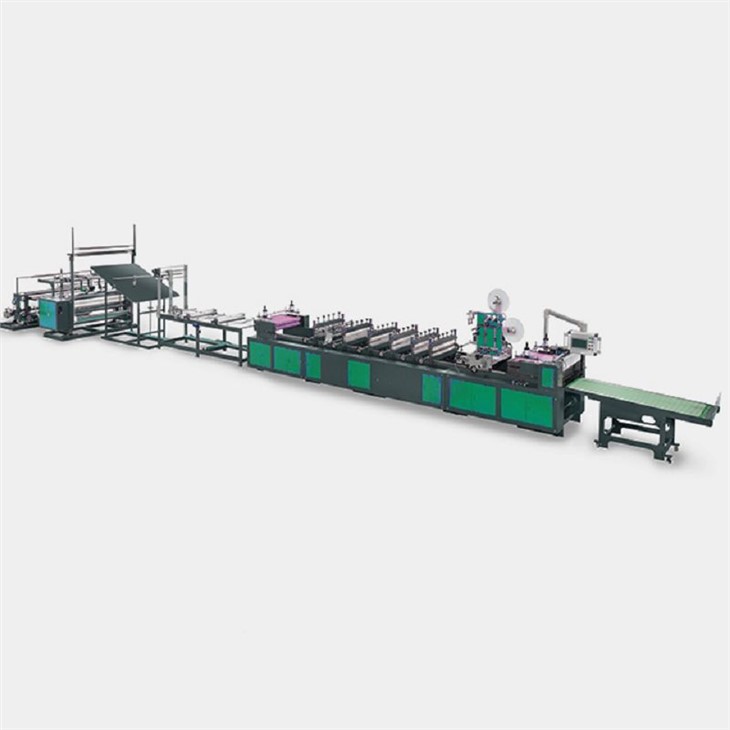
As a seasoned supplier of Bubble Envelope Making Machines, I've witnessed firsthand the critical importance of ensuring the air - tightness of the envelopes produced by our machines. In this blog, I'll delve into the air - tightness test methods for envelopes made by bubble envelope making machines, offering valuable insights for both manufacturers and users.
The Significance of Air - Tightness in Bubble Envelopes
Bubble envelopes are widely used for shipping delicate items, such as electronics, jewelry, and glassware. An air - tight envelope provides an extra layer of protection by preventing air leakage, which can lead to the deflation of the bubble cushioning and reduce its shock - absorbing capabilities. Moreover, air - tightness helps to keep out moisture, dust, and other contaminants, ensuring the integrity of the enclosed items during transit.
Pre - Test Preparation
Before conducting the air - tightness test, it's essential to prepare the envelopes and the testing equipment properly.
- Envelope Selection: Randomly select a representative sample of envelopes from the production batch. The sample size should be determined based on the production volume and quality control requirements. Generally, a sample size of at least 10 envelopes is recommended for a small - scale production, while larger production batches may require a larger sample size.
- Inspection of Envelopes: Visually inspect the selected envelopes for any obvious defects, such as holes, tears, or improper sealing. Any defective envelopes should be removed from the sample to ensure accurate test results.
- Testing Equipment: Use reliable and calibrated testing equipment, such as a pressure - testing machine or a bubble - leak detector. The testing equipment should be capable of measuring the air pressure inside the envelope and detecting any air leakage.
Air - Tightness Test Methods
Pressure - Testing Method
The pressure - testing method is one of the most common and reliable ways to test the air - tightness of bubble envelopes.
- Sealing the Envelope: First, seal the envelope completely, making sure there are no gaps or openings. If the envelope has a self - adhesive closure, press it firmly to ensure a good seal.
- Applying Pressure: Place the sealed envelope into the pressure - testing chamber. The chamber is then pressurized to a pre - determined test pressure. The test pressure should be based on the intended use of the envelope and the expected pressure changes during transit. For most bubble envelopes, a test pressure of 2 - 5 psi (pounds per square inch) is sufficient.
- Monitoring the Pressure: Once the chamber reaches the test pressure, the pressure is maintained for a specific period, usually 1 - 5 minutes. During this time, monitor the pressure inside the chamber. If the pressure drops below a certain threshold, it indicates that there is an air leakage in the envelope.
- Determining the Leakage Rate: The leakage rate can be calculated by measuring the pressure drop over time. A lower leakage rate indicates better air - tightness. If the leakage rate exceeds the acceptable limit, the envelope is considered to be defective.
Bubble - Leak Detection Method
The bubble - leak detection method is a simple and cost - effective way to detect air leakage in bubble envelopes.
- Submerging the Envelope: Fill a container with a suitable liquid, such as soapy water. Submerge the sealed envelope completely in the liquid.
- Observing for Bubbles: Look for any bubbles emerging from the envelope. Bubbles indicate the presence of air leakage. The size and frequency of the bubbles can provide an indication of the severity of the leakage.
- Marking and Recording: Mark the location of the bubbles on the envelope and record the test results. Envelopes with significant air leakage should be rejected.
Factors Affecting Air - Tightness
Several factors can affect the air - tightness of bubble envelopes, including:
- Sealing Quality: The quality of the sealing process is crucial for air - tightness. Factors such as the temperature, pressure, and duration of the sealing operation can impact the seal strength. A poor seal can lead to air leakage.
- Material Quality: The quality of the materials used in the envelope, such as the bubble film and the outer layer, can also affect air - tightness. Low - quality materials may have microscopic holes or weak spots that can cause air leakage.
- Handling and Storage: Improper handling and storage of the envelopes can damage the seal and reduce air - tightness. For example, rough handling during transportation or storage in a humid environment can compromise the integrity of the envelope.
Improving Air - Tightness
To improve the air - tightness of bubble envelopes, manufacturers can take the following measures:
- Optimize the Sealing Process: Adjust the sealing parameters, such as temperature, pressure, and time, to ensure a strong and consistent seal. Regularly maintain and calibrate the sealing equipment to prevent seal defects.
- Use High - Quality Materials: Select high - quality bubble film and outer layer materials that are resistant to punctures and air leakage. Conduct regular quality checks on the incoming materials to ensure their compliance with the quality standards.
- Implement Quality Control Measures: Establish a comprehensive quality control system that includes in - process inspections and final product testing. Monitor the air - tightness of the envelopes at different stages of the production process to identify and correct any quality issues promptly.
Related Products
In addition to our Bubble Envelope Making Machines, we also offer a range of other bag - making machines, such as the High Speed Paper Bag Making Machine, Multifunction Non Woven Bag Making Machine, and Loop Handle Non Woven Bag Making Machine. These machines are designed to meet the diverse needs of the packaging industry and provide high - quality bag production solutions.
Conclusion
Ensuring the air - tightness of bubble envelopes is essential for protecting the enclosed items during transit. By using appropriate air - tightness test methods and implementing effective quality control measures, manufacturers can produce high - quality bubble envelopes that meet the requirements of their customers. As a leading supplier of Bubble Envelope Making Machines, we are committed to providing our customers with reliable equipment and technical support to help them achieve optimal production results.
If you are interested in our Bubble Envelope Making Machines or other related products, please feel free to contact us for further information and to discuss your specific requirements. We look forward to the opportunity to work with you and contribute to the success of your packaging business.
References
- ASTM International. Standard Test Methods for Determining Air Leakage Rate of Building Assemblies and Air Barrier Assemblies. ASTM E283 - 17.
- ISO 9001:2015. Quality management systems — Requirements.
- Packaging Machinery Manufacturers Institute (PMMI). Best Practices for Packaging Quality Control.


