

Transporting a bubble envelope making machine safely is no small feat. As a supplier of these machines, I've learned a thing or two about getting these bulky and delicate pieces of equipment from point A to point B without a hitch. In this blog, I'll share some of my top tips on how to ensure a smooth and safe transport for your bubble envelope making machine.
Pre - Transport Preparation
Before you even think about moving the machine, you need to do a thorough inspection. Check for any loose parts, damaged components, or signs of wear and tear. Make a list of everything you find, and if there are any issues, fix them before the transport. This will not only prevent further damage during transit but also ensure that the machine is in good working condition when it reaches its destination.
You'll also want to clean the machine. Remove any debris, dust, or leftover materials from the production process. A clean machine is less likely to have parts that come loose during transport due to dirt or grime interfering with connections.
Another crucial step is to create a detailed inventory of all the parts and accessories that come with the machine. This includes things like spare parts, tools, and manuals. Having an inventory will help you quickly identify if anything goes missing during the move.
Disassembly (if necessary)
In some cases, it might be necessary to disassemble the bubble envelope making machine for transport. This is especially true if the machine is large or if there are parts that are particularly vulnerable to damage. When disassembling, make sure to follow the manufacturer's instructions carefully. Label all the parts clearly, so you know exactly where they go when it's time to reassemble.
For example, if the machine has a control panel, remove it gently and pack it separately. Use bubble wrap or foam padding to protect the delicate electronic components. The same goes for any motors or other sensitive parts.
Packing
Once you've inspected, cleaned, and possibly disassembled the machine, it's time to pack it up. The right packing materials are essential for protecting the machine during transport.
Start with a sturdy crate. The crate should be large enough to fit the machine or its parts with some extra space for padding. You can use wooden crates, which are strong and durable, or heavy - duty plastic crates, which are lightweight and resistant to moisture.
Inside the crate, line the bottom and sides with thick foam padding. This will absorb any shocks or vibrations during transport. Wrap the machine or its parts in bubble wrap, making sure to cover all the surfaces. Pay special attention to sharp edges or corners, as these are more likely to cause damage if they come into contact with other objects.
If you're transporting smaller parts, you can use smaller boxes or plastic containers. Label these containers clearly and place them inside the main crate.
Choosing the Right Transport Method
There are several transport methods available, and choosing the right one depends on several factors, such as the distance, the size and weight of the machine, and your budget.
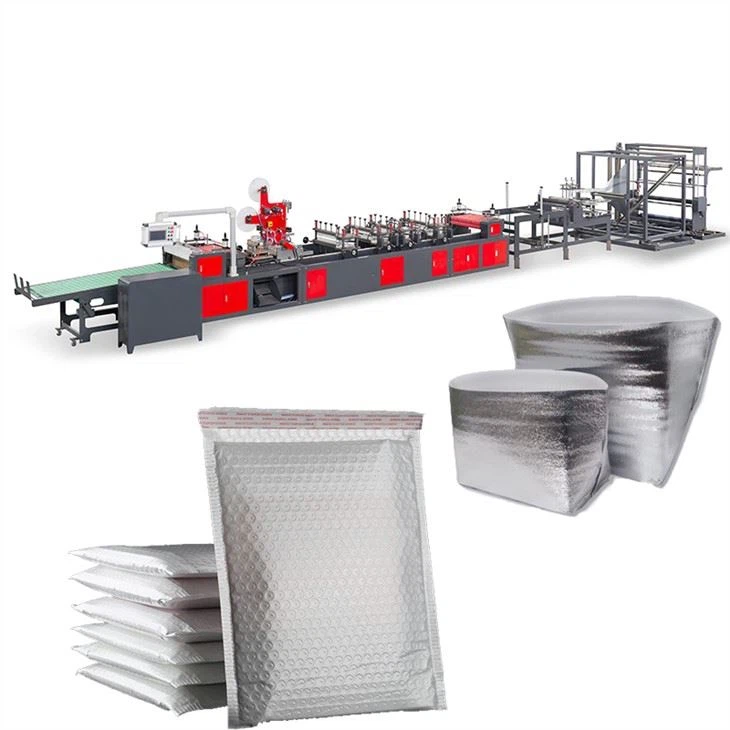
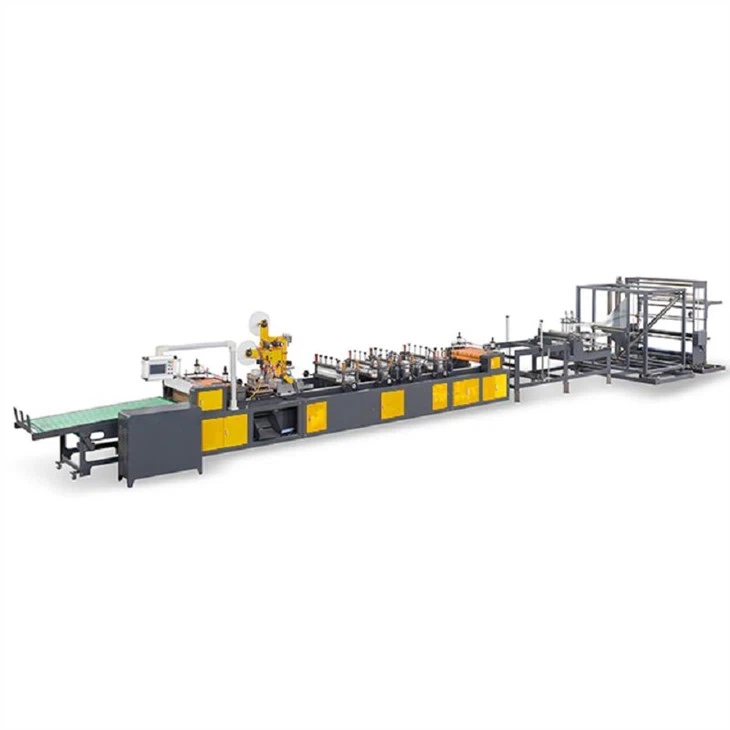
For short - distance transport, you might consider using a local moving company. They can provide a truck and the manpower to load and unload the machine safely. Make sure to choose a company with experience in transporting heavy and delicate equipment.
If you're transporting the machine over a long distance, you might want to consider using a freight carrier. Freight carriers specialize in transporting large and heavy items. They have the necessary equipment, such as forklifts and cranes, to handle the machine safely. However, you need to make sure that the freight carrier has a good reputation for handling fragile equipment.
Another option is to use a shipping container. Shipping containers are a great choice if you're transporting the machine overseas. They are weather - resistant and can protect the machine from the elements during a long journey.
Loading and Unloading
Loading and unloading the bubble envelope making machine are critical steps in the transport process. Make sure to use the right equipment, such as forklifts or pallet jacks, to lift the machine safely.
When loading the machine onto a truck or into a shipping container, make sure it is secured properly. You can use straps or chains to hold the machine in place. This will prevent it from shifting during transport, which could cause damage.
During unloading, follow the same safety procedures. Be careful not to drop or jolt the machine. If possible, have the same personnel who loaded the machine also unload it, as they will be familiar with how it was packed and secured.
Insurance
No matter how careful you are, accidents can happen during transport. That's why it's important to get insurance for your bubble envelope making machine. Most freight carriers and moving companies offer insurance options. Make sure to read the policy carefully and understand what is covered and what is not.
After - Transport Checks
Once the machine has arrived at its destination, it's time to do another inspection. Check for any signs of damage that might have occurred during transport. Compare the inventory you made before the move with the parts and accessories that arrived.
If you disassembled the machine, start the reassembly process. Follow the manufacturer's instructions closely, and use the labels you made during disassembly to ensure that all the parts are put back in the right place.
After reassembly, test the machine to make sure it is working properly. Run a few test cycles to check for any issues with the operation.
Related Products
If you're interested in other types of bag - making machines, we also offer a range of products such as the Double Line Non Woven T-shirt Bag Making Machine, the Yaskawa Servo Motor Non Woven Bag Machinery, and the Automatic Non Woven T-Shirt Bag Making Machine. These machines are also high - quality and designed for efficient production.
Contact for Purchase
If you're in the market for a bubble envelope making machine or any of our other products, don't hesitate to reach out. We're here to answer all your questions and help you make the right choice for your business. Whether you need more information about transport, installation, or operation, we've got you covered.
References
- General knowledge from years of experience in the bubble envelope making machine supply industry.
- Manufacturer's manuals for bubble envelope making machines and related equipment.


