

Hey there! As a supplier of machine stretch film, I've seen firsthand how important it is to use this product efficiently. Machine stretch film is a versatile and cost - effective solution for packaging and securing goods, but if not used correctly, you could be wasting time, money, and product. In this blog, I'll share some tips on how to improve the efficiency of using machine stretch film.
1. Choose the Right Machine Stretch Film
First things first, picking the right type of machine stretch film is crucial. There are different kinds of stretch films available in the market, each with its own features and applications. For instance, if you're dealing with heavy - duty loads, you'll need a film with high puncture resistance and strength. On the other hand, for lighter loads, a thinner and more economical film might do the trick.
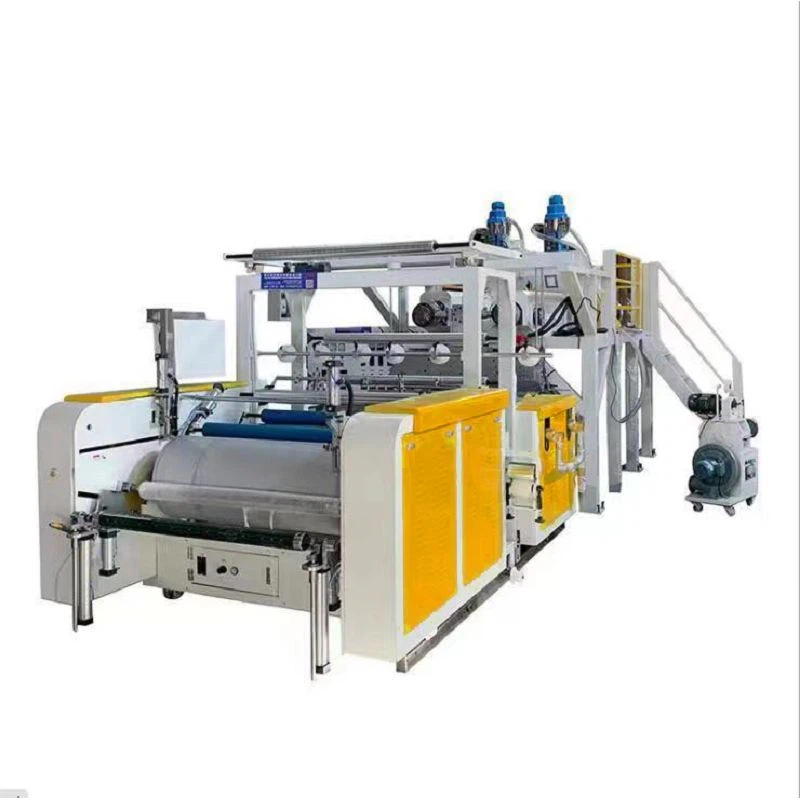
We offer a range of high - quality machine stretch films that are designed to meet various needs. And if you're looking for the machines to produce these films, we have some great options. Check out our [High Speed Co - extrusion Stretch Film Machine](/stretch - film - machine/high - speed - co - extrusion - stretch - film - machine.html) and [High Speed 5 Layer Stretch Film Machine](/stretch - film - machine/high - speed - 5 - layer - stretch - film - machine.html). These machines can produce top - notch stretch films with excellent performance.

2. Optimize the Machine Settings
The settings on your stretch wrapping machine play a huge role in the efficiency of using stretch film. You need to adjust the tension, speed, and overlap settings according to the type of load and the film you're using.

- Tension: The right tension is essential. If the tension is too high, the film might break, causing downtime and waste. If it's too low, the load won't be properly secured. You should test different tension levels on a small scale first to find the optimal one for your specific situation.
- Speed: Running the machine at the right speed can save a lot of time. However, don't just go for the maximum speed. Higher speeds might require more tension, which can lead to film breakage. You need to find a balance between speed and the integrity of the film.
- Overlap: The amount of overlap between the layers of the film affects the stability of the load. A proper overlap ensures that the load is well - wrapped and protected. Usually, an overlap of 30% - 50% is recommended, but this can vary depending on the load.
3. Train Your Staff
Your employees are the ones operating the stretch wrapping machines, so it's vital to provide them with proper training. A well - trained staff can operate the machines more efficiently, reduce waste, and ensure consistent quality.
- Machine Operation: Teach your staff how to correctly set up and operate the stretch wrapping machine. This includes loading the film, adjusting the settings, and troubleshooting common issues.
- Safety Procedures: Safety should always be a top priority. Make sure your employees know how to handle the machine safely to prevent accidents.
- Film Handling: Show them how to handle the stretch film properly. For example, how to avoid tears and how to store the film correctly to maintain its quality.
4. Maintain Your Equipment Regularly
Regular maintenance of your stretch wrapping machine is key to its efficient operation. A well - maintained machine will run smoothly, use the film more efficiently, and have a longer lifespan.
- Cleaning: Keep the machine clean from dust, debris, and any film residue. This can prevent mechanical problems and ensure that the film feeds smoothly through the machine.
- Lubrication: Lubricate the moving parts of the machine as recommended by the manufacturer. This reduces friction and wear, which can improve the machine's performance.
- Inspection and Repair: Regularly inspect the machine for any signs of wear and tear, such as loose belts or damaged parts. Replace or repair these parts promptly to avoid breakdowns.
We also offer an [Industrial Stretch Wrap Machine](/stretch - film - machine/industrial - stretch - wrap - machine - factory.html) that is built to last, but even the best machines need proper maintenance.
5. Evaluate and Improve Continuously
Don't just set it and forget it. Continuously evaluate your stretch film usage process and look for ways to improve.
- Data Analysis: Keep track of the amount of film used, the number of loads wrapped, and any issues that occur. Analyzing this data can help you identify areas for improvement. For example, if you notice that a particular type of load is using more film than expected, you can investigate why and make adjustments.
- Feedback from Staff: Your employees are on the front - line, so their feedback is valuable. Encourage them to share any suggestions or problems they encounter. They might have some great ideas on how to improve the efficiency of the process.
6. Use Pre - stretched Film
Pre - stretched film is a great option to improve efficiency. This type of film is stretched during the manufacturing process, which means you can use less film to achieve the same level of load stability.
- Reduced Film Usage: Since pre - stretched film is already partially stretched, you can use less of it to wrap your loads. This not only saves on film costs but also reduces the amount of waste.
- Easier to Handle: Pre - stretched film is generally easier to handle and apply, which can speed up the wrapping process.
7. Bundle Similar Loads Together
If you have a variety of loads to wrap, try to group similar loads together. This allows you to use the same machine settings for each group, which can save time on adjusting the settings between loads.
- Load Size and Shape: Group loads of similar size and shape. For example, if you have a lot of small, square boxes, wrap them together. Then move on to larger, rectangular items.
- Load Weight: Also, consider the weight of the loads. Wrapping loads of similar weight can help you maintain consistent tension and wrapping quality.
8. Invest in Automation
Automating your stretch wrapping process can significantly improve efficiency. Automated machines can operate continuously, with precise settings, and can handle a large volume of loads.
- Consistent Quality: Automated machines can apply the film with consistent tension and overlap, ensuring that each load is wrapped to the same high standard.
- Time Savings: They can work much faster than manual operations, especially for high - volume production.
In conclusion, improving the efficiency of using machine stretch film involves a combination of choosing the right film, optimizing machine settings, training your staff, maintaining your equipment, and continuously evaluating and improving your process. By following these tips, you can save time, money, and resources, while ensuring that your products are well - packaged and protected.
If you're interested in learning more about our machine stretch films or the machines we offer, feel free to reach out. We're always happy to help you find the best solutions for your packaging needs and start a great procurement discussion.
References
- Packaging Machinery Manufacturers Institute (PMMI). "Best Practices for Stretch Wrapping Efficiency."
- Industry research reports on stretch film usage and packaging efficiency.


