

As a supplier of Pp Bag Manufacturing Machines, I am often asked about the intricate process of bag sealing in these machines. Understanding how a Pp Bag Manufacturing Machine works in terms of bag sealing is crucial for businesses looking to invest in this equipment. In this blog post, I will delve into the details of the bag - sealing process in Pp Bag Manufacturing Machines.
1. Introduction to Pp Bags and Their Manufacturing
Pp bags, or polypropylene bags, are widely used in various industries due to their durability, flexibility, and cost - effectiveness. These bags are made from polypropylene, a thermoplastic polymer. The manufacturing process of Pp bags involves several steps, including extrusion, printing, cutting, and finally, sealing. The sealing process is one of the most critical steps as it determines the integrity and functionality of the final product.
2. Types of Sealing Methods in Pp Bag Manufacturing Machines
Heat Sealing
Heat sealing is the most common method used in Pp Bag Manufacturing Machines. It works on the principle of applying heat to the polypropylene material, which softens the plastic and allows the two layers to fuse together when pressure is applied. There are different types of heat - sealing techniques:
- Impulse Sealing: This technique uses a short burst of electrical current to heat a thin wire or element. The heat is then transferred to the Pp bag material, causing it to melt and seal. Impulse sealing is ideal for thin Pp bags as it provides a quick and efficient seal. For example, small Pp bags used for packaging jewelry or small electronic components often use impulse sealing.
- Continuous Heat Sealing: In continuous heat sealing, a heated bar or roller continuously applies heat and pressure to the Pp bag material as it passes through the machine. This method is suitable for high - volume production of Pp bags, such as those used in the food industry for packaging snacks or grains.
Ultrasonic Sealing
Ultrasonic sealing is another advanced method used in some Pp Bag Manufacturing Machines. It uses high - frequency ultrasonic vibrations to generate heat at the sealing area. The vibrations cause the molecules in the polypropylene material to rub against each other, creating friction and heat. This heat then melts the plastic, allowing the layers to bond together. Ultrasonic sealing is known for its clean and precise seals, and it is often used for sealing Pp bags with complex shapes or for applications where a hermetic seal is required, such as in the pharmaceutical industry.
3. The Components Involved in the Sealing Process
Sealing Bars or Rollers
Sealing bars or rollers are the primary components responsible for applying heat and pressure during the sealing process. These components are usually made of materials with high thermal conductivity, such as aluminum or copper. They are heated using electrical heating elements, and their temperature can be precisely controlled to ensure a consistent and reliable seal.
Pressure Systems
To create a strong seal, sufficient pressure must be applied to the Pp bag material during the sealing process. Pp Bag Manufacturing Machines are equipped with pressure systems, such as pneumatic cylinders or mechanical presses, to apply the required pressure. The pressure can be adjusted according to the thickness and type of Pp bag material being sealed.
Temperature Control Systems
Accurate temperature control is essential for a successful seal. Temperature control systems in Pp Bag Manufacturing Machines monitor and adjust the temperature of the sealing bars or rollers. This ensures that the polypropylene material is heated to the optimal temperature for sealing without over - heating or under - heating, which could result in a weak or defective seal.
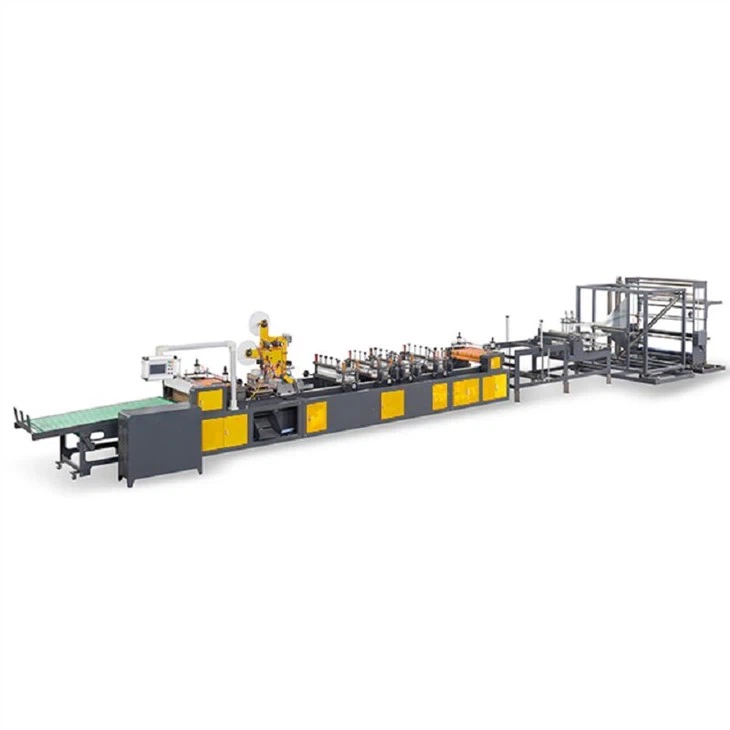

4. The Step - by - Step Sealing Process
Feeding the Material
The first step in the sealing process is to feed the Pp bag material into the machine. The material is usually in the form of a continuous roll, and it is unwound and guided through the machine using a series of rollers. The material is then positioned between the sealing bars or rollers.
Heating
Once the Pp bag material is in position, the sealing bars or rollers are heated to the appropriate temperature. The heating time depends on the type of sealing method used and the thickness of the material. For example, in impulse sealing, the heating time is very short, typically a few milliseconds.
Pressure Application
After the material has reached the optimal temperature, pressure is applied to the sealing area. The pressure forces the softened polypropylene layers to fuse together, creating a seal. The pressure is maintained for a specific period to ensure a strong and durable seal.
Cooling
After the seal is formed, the material needs to be cooled to solidify the seal. Cooling can be achieved using air cooling or water cooling systems. Proper cooling is important to prevent the seal from breaking or deforming during subsequent handling.
5. Quality Control in the Sealing Process
To ensure the quality of the sealed Pp bags, strict quality control measures are implemented in the manufacturing process. This includes regular inspection of the seals for strength, integrity, and appearance. Some Pp Bag Manufacturing Machines are equipped with sensors and monitoring systems that can detect any defects in the sealing process, such as incomplete seals or leaks. These systems can automatically stop the machine and alert the operator, allowing for immediate corrective action.
6. Advanced Features in Modern Pp Bag Manufacturing Machines
Modern Pp Bag Manufacturing Machines are equipped with a range of advanced features to improve the efficiency and quality of the sealing process. For example, some machines use Yaskawa Servo Motor Non Woven Bag Machinery, which provides precise control over the movement of the sealing components, resulting in more accurate and consistent seals.
Other advanced features include touch - screen control panels, which allow operators to easily adjust the sealing parameters, such as temperature, pressure, and sealing time. Some machines also have built - in diagnostic systems that can troubleshoot problems and provide maintenance alerts.
7. Different Applications and Their Sealing Requirements
The sealing requirements for Pp bags vary depending on their application. For example, Pp bags used in the food industry need to have a hermetic seal to prevent the entry of air, moisture, and contaminants. These bags often require a high - quality seal that can withstand the rigors of transportation and storage.
On the other hand, Pp bags used for packaging non - food items, such as clothing or toys, may have less stringent sealing requirements. However, they still need to have a strong and reliable seal to keep the contents secure.
The OPP Thermal Cutting And Bag Making Machine is suitable for certain applications where thermal cutting and sealing are required, providing a clean and efficient way to produce Pp bags. And the Nonwoven Fabric Sheet Cutting Machine can be used in combination with Pp bag manufacturing processes to cut non - woven materials for additional bag features or components.
8. Conclusion and Call to Action
In conclusion, the bag - sealing process in Pp Bag Manufacturing Machines is a complex and critical part of the overall manufacturing process. Understanding how these machines work in terms of bag sealing is essential for businesses looking to produce high - quality Pp bags.
As a supplier of Pp Bag Manufacturing Machines, we offer a wide range of machines with different sealing capabilities to meet the diverse needs of our customers. Whether you are a small - scale business looking for a simple and cost - effective solution or a large - scale manufacturer in need of high - speed and advanced equipment, we have the right machine for you.
If you are interested in learning more about our Pp Bag Manufacturing Machines or would like to discuss your specific requirements, please do not hesitate to contact us. We are committed to providing you with the best solutions and support to help you succeed in your business.
References
- Smith, J. (2018). Polypropylene Bag Manufacturing: A Comprehensive Guide. Industrial Press.
- Brown, A. (2020). Sealing Technologies in Plastic Bag Manufacturing. Journal of Packaging Science and Technology.


